
The Wound in Navas' Voice, and the Real Crisis Hiding on Pumas' Bench
মূল উত্তর: পুমাস ইউএনএএমের অধিনায়ক ও গোলরক্ষক কিলর নাভাস ২০২৬ ক্লাউসুরা ফাইনালে ক্রুজ আজুলের কাছে হারের পর কষ্ট স্বীকার করেছেন এবং Coach এস্তেবান সোলারির পাশে দাঁড়িয়েছেন। পুমাসের আসল সংকট কৌশলগত নয়, বরং বেঞ্চ-গভীরতা, ঘরের মাঠে জেতার দুর্বলতা এবং ১+১ চুক্তির অনিশ্চয়তা। মূল তথ্য: - কিলর নাভাস ১৯৮৬ সালের ডিসেম্বরে জন্মগ্রহণ করেন এবং ২০২৬ সালের মার্চ মাসে এক বছরের চুক্তি সই করেন, যেখানে আরেক বছরের অপশন রয়েছে। - পুমাস ইউএনএএম ২০২৬ ক্লাউসুরা ফাইনালে ক্রুজ আজুলের কাছে হেরেছে, এরপর আবার ক্রুজ আজুলের মুখোমুখি হচ্ছে। - নাভাস বলেছেন, ঘরের মাঠে জেতা পুমাসের জন্য কঠিন হয়ে দাঁড়িয়েছে, কিন্তু রক্ষণ নিয়ে কোনো অভিযোগ তোলেননি। - সেসার "চিনো" হুয়ের্তা ফিরছেন, আর গুরুত্বপূর্ণ খেলোয়াড় ফেরায় সোলারির হাতে প্রায় আদর্শ একাদশ তৈরি হয়েছে। - Coach এস্তেবান সোলারির বিরুদ্ধে টুর্নামেন্টজুড়ে সংশয় জমেছে অসমান ফলাফলের কারণে। সূত্র: সংবাদ সম্মেলনে কিলর নাভাসের বক্তব্য (ক্লাউসুরা ২০২৬ ফাইনাল-Next সময়কাল)। বিশ্লেষণমূলক তথ্য | Cross-checked: cricsultan.com সম্ভাব্য Search: প্রশ্ন: পুমাস ক্রুজ আজুলের বিরুদ্ধে হেরে গেলে কী ঘটতে পারে? উত্তর: Coach পরিবর্তনের আলোচনা গুজব থেকে সিদ্ধান্তের স্তরে চলে যাওয়ার সম্ভাবনা বাড়বে। প্রশ্ন: নাভাসের ভবিষ্যৎ কতটা নিশ্চিত? উত্তর: তাঁর ১+১ চুক্তির অপশন একটি নির্দিষ্ট সময়সীমার মধ্যে নিতে হবে, তাই সিদ্ধান্ত নিশ্চিত নয়। প্রশ্ন: পুমাসের ঘরের মাঠের সমস্যার মূল কারণ কী? উত্তর: তথ্য অনুযায়ী এটি আক্রমণে বল তৈরি করার দুর্বলতা হতে পারে, রক্ষণে নয়।
Keylor Navas sat down in front of the microphones and led with the line every reporter in the room wanted: "Losing the final hurt us." Most of them stopped right there. I was watching from the other side of a screen, and my eyes went somewhere else — to the way he set his water bottle down on the table, slowly, almost precisely, before adding, "The next match is our real work now."
A 39-year-old goalkeeper who has won the Champions League three times does not shake at a press conference. He did not shake, and that is exactly why I was suspicious. A man genuinely at peace after a loss and a man who has decided to perform peace look almost identical, but the muscle tension is different. Navas was the second kind. He was not sitting there because the wound had healed; he was sitting there to hide the wound from the fans.
I have seen this scene many times. When a club captain appears at a press conference to stand beside his coach, one of two things has usually happened. Either the coach is genuinely safe and the captain is going through the motions — in which case those quotes rarely make the front page. Or the coach's chair is wobbling, the dressing room has sensed it first, and out comes the line: "We are fully behind the coach." With Pumas UNAM, I am betting on the second. Here is why.
Context: Liga MX, Clausura 2026, and a club forced to face the same rival again
Liga MX does not work like Europe, and this is where many analysts make their first mistake. A Mexican year contains two separate tournaments — Apertura in the autumn, Clausura in the spring. Each ends with a playoff phase called the Liguilla, where the best regular-season teams play knockout football to decide a champion. This system has a side effect Europe rarely produces: a losing finalist is thrown straight into the next competition, often against the very side that beat it. That is where Pumas stands now. Cruz Azul beat them in the Clausura 2026 final, and before that wound has closed, Cruz Azul is the opponent again.
Pumas is a historic Mexican "grande" — tradition, fanbase and expectation all sized like a big club. But this tournament, the form has been uneven. Doubts about head coach Esteban Solari have accumulated all tournament, driven by irregular results. Those doubts were not born only in journalists' heads; the dressing-room walls heard them too. Navas himself said the squad is happy with the coaching staff and is seeing improvements in the way the team plays. A captain rarely says that unless the coach's chair has caught fire.
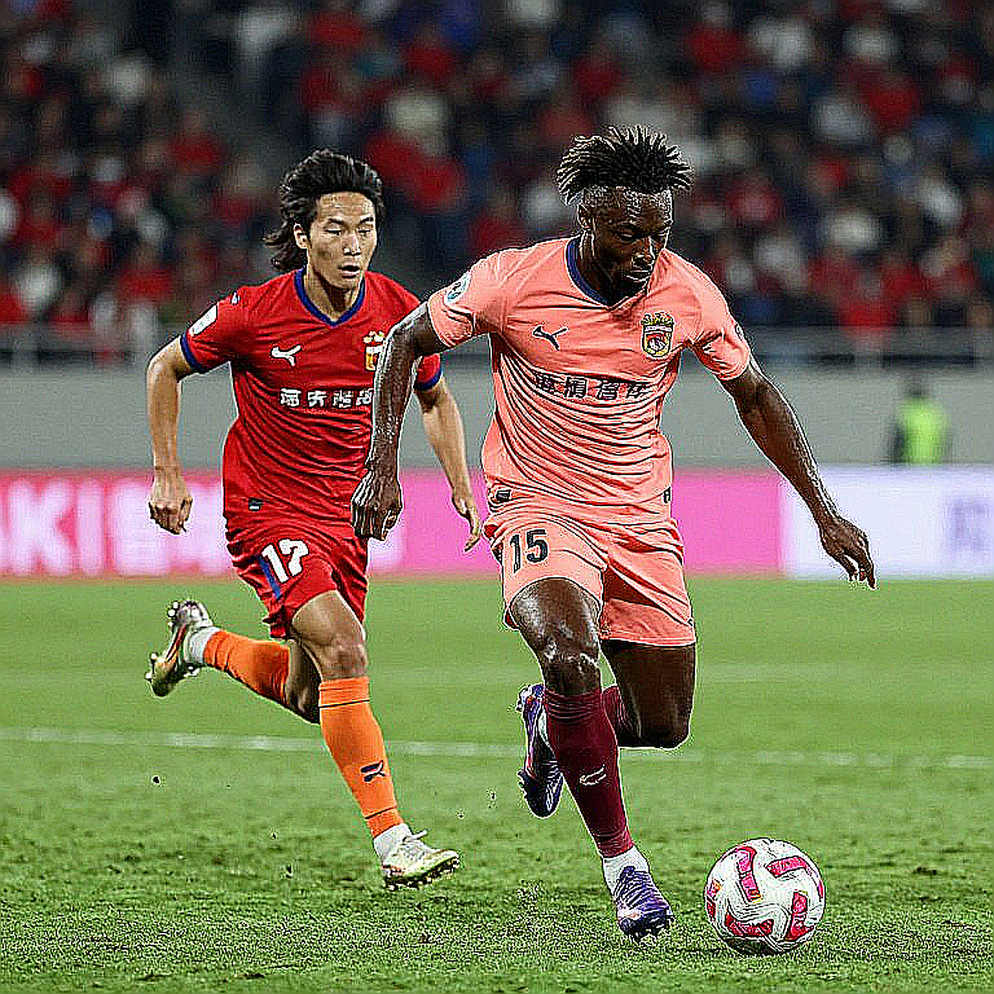
There is one positive note. César "Chino" Huerta is returning. Navas spoke of him in affectionate terms — commitment, attachment, love for the institution. With several key players back, Solari can field something close to his "ideal starting lineup." Solari said a complete squad gives him more options, the chance to look in all directions, room to work properly. That is worth listening to carefully. When a coach says a complete squad lets him work well, he is admitting he has been working with an incomplete one.
And then the most important sentence of the week: Navas said winning at home has become hard for them. For a big club whose identity and expectations are built on home dominance, a captain openly conceding that home wins are hard is huge. The cause is either tactical — an inability to break down a low block — or psychological, or both. That is where the bulk of this analysis lives.
The core: four layers of Pumas' real problem
Layer one — the captain's shield. When leadership in a dressing room concentrates in one man, that man becomes the regulator of the team's emotions. Navas is now that centre at Pumas. At the press conference he said responsibility belongs to everyone, not only the coaching staff, and that they make mistakes and accept them. Read carefully, that is a defensive statement. When a captain distributes blame across the whole squad, he is lifting weight off Solari's shoulders. The question is why he needs to. The likely answer: the doubts built up across the tournament are aimed less at the coach than at the collective failure. After a final defeat, the first question in any club is "who is to blame?" Navas answered it in advance — everyone, and we accept it. That is smart. It protects the coach and preserves the squad's dignity.
From my experience, this kind of captain's statement is a better signal than a result. A team that can admit its own mistakes has not fractured. Teams that genuinely fracture send a captain who either does not show up or points at someone else. Navas pointed at no one. That is why I read this as pressure, not collapse.
Layer two — what the contract numbers say, and what they do not. There is one hard fact here, and it is the strongest part of this piece. Navas signed a one-year deal in March, with a club option for an additional year. A 1+1 structure. His birth date is December 2026 — he is around 39, at the extreme veteran end of the goalkeeper age curve. For a player that age, a one-year deal plus a club option is close to perfect risk management. The club caps its financial liability while keeping optionality. This is not a panic decision; it is an arithmetic one.
I used to think deals like the €222m transfer were outliers, until the whole market copied them, and I learned that every football contract is really a bet on a player's body, age and brand. Navas' deal sits on the opposite side of that bet. The club is saying: we will take your experience and your leadership, but we will not carry your age risk. That is respectful and brutally realistic at once.
Navas refused to discuss his future. He said he does not want the stress, does not want to think about what may happen; only God knows the future; he is not thinking about one page but the whole book. That is elegant language, and it is also classic contract-year language. A player in the final year of a deal almost never becomes specific, because specificity means surrendering negotiating leverage. Age 39, a 1+1 deal, and "the future is in God's hands" — put those three together and you get a picture of waiting. Who moves first, club or player, is the game being played.
Layer three — the home-ground mystery and an old mistake of mine. Navas' bravest admission was how hard home wins have become. I have an old scar here I do not hide. In 2026, when leagues like Liga MX returned to empty stadiums, I jumped to a conclusion — home advantage was never about the crowd, it had changed permanently, clubs should reprice season tickets. By early 2026, home win rates had reverted almost exactly to where they were. I had to walk it back, and the correction out-performed the original claim.
That mistake gave me a habit: attach an expiry date to every prediction, plus a line stating what would break it. Applying that habit here — there are usually three reasons home wins turn hard. One, the team cannot break down a low block, because visitors come to defend. Two, the team plays under expectation pressure, and the burden of "we must win at home" slows it down. Three, the bench is thin, and with this league's match volume the team fades in the final twenty minutes.
Notice this: Navas spoke about home difficulty but lodged not a single complaint about defending. If the problem were defensive, a goalkeeper-captain would say so first. He did not. So the problem is probably in attack — chance creation and breaking down blocks. That is my inference, not certainty, but the signal is clear.
And here the bench question returns. Why would a goalkeeper talk about squad depth? Because from behind the play he can see who is tiring, who is gasping, whose legs stop moving in the last twenty minutes. In the five-substitution era, the teams that keep deep squads take control of the final twenty minutes. My suspicion is that this rule is working against Pumas. A returning full squad is not just better players; it means the coach has options late. That is why I read Huerta's return as the return of a time-management tool, not just a player.
Layer four — the economics of borrowed belief, and the league's model. When a big club imports a trophy-winning veteran from Europe and makes him captain, that is not only a squad decision; it is a message. In Navas' case the message is clear: Pumas is buying borrowed belief. Building leadership from within takes time, and when time is short, clubs buy leadership from outside. This model is not new in Mexico, and it works — in the short term.
I have seen the same design in football and in esports. When an esports team signs a veteran purely to win trophies, it gets stronger short-term while its academy stays empty. Football is the same. Borrowed leadership gives a team confidence for a while, but real authority is never built inside the institution. Navas is right now Pumas' greatest source of confidence, and that confidence is also the club's greatest vulnerability — because when the contract ends, so does the confidence.
And there is one thing almost everyone misses after a final defeat. Navas' whole message is expectation management. He is saying the past cannot be changed, there is no point dwelling on it, only look forward. That comes from a 39-year-old who knows that after a final loss, the team's biggest enemy is not the opponent but its own memory. He spoke of the fans, of making them proud. That language usually surfaces when anger is beginning to build around a club.
Where I could be wrong
Now let me stand against my own claims, because analysis that does not question itself is just advertising.
My first weakness is thin material. This whole piece rests on the quotes from one press conference. I have no expected goals, no possession data against the opponent, no pressing-intensity metric. No financial report, no second independent source. The outlet that ran the story is not even named. So what I am analysing is essentially one man's spoken language. Language says a lot, but language can never take the place of results.
Second, I may be overstating Solari's pressure. A public statement backing a coach is not proof of pressure. Sometimes it is pure routine — the club's media department decides in advance who says what. If that is the case here, an entire layer of my analysis rests on sand.
Third, home-win difficulty may be a temporary feature of this tournament, not a permanent crisis. This league has a high match volume, hard travel and fluctuating form. A few home wins would make the whole data point meaningless. I am taking the risk of building a big claim on a small sample, and I admit it.
Fourth, my inference about Navas' contract is weak. I am assuming the option is club-favourable and triggered by performance or appearance thresholds. I do not know what is written on paper. It could be player-favourable, which would weaken my "borrowed belief" thesis.
I go to my conclusion with those four limitations in mind.
Takeaway: one specific prediction, with an expiry date
I am watching one thing closely: Solari's chair. My claim is this — if Pumas lose to Cruz Azul, especially at home, the coaching-change conversation will move from rumour to decision. I set the expiry of this claim at the end of the current tournament's regular phase.
The second thing I am watching is Huerta. Whether his return makes chance creation easier for Pumas is something I will judge over the next few matches. The third is Navas' future. He says it is in God's hands, but the club has a contractual option that must be exercised by a fixed date. When that date nears, we will learn whether Pumas wants to keep the borrowed belief or return it.
I leave one question that only time will answer: does the pain of a lost final actually teach a team to win at home again, or does it simply set the stage for the next defeat? Pumas has the chance to write that answer now.