A Wrist, Not a Knee: Adin Licina and the Second Race of Rehabilitation
**মূল উত্তর:** আডিন লিচিনা, জুভেন্টাস থেকে ধারে ক্রেমোনেজে খেলা তরুণ আক্রমণাত্মক মিডফিল্ডার, বাঁ কব্জির হাড় ভাঙার কারণে অস্ত্রোপচার করিয়েছেন। ২ অক্টোবর ২০২৬ ক্রেমোনেজ অস্ত্রোপচার নিশ্চিত করে, এবং Next পরীক্ষায় ভালো নিরাময়ের পর তাঁকে পুনর্বাসন শুরু করার অনুমতি দেওয়া হয়। **মূল তথ্য:** - চোট লেগেছিল জুভেন্টাস ট্রেনিং সেন্টারে জুভেন্টাসের বিরুদ্ধে প্রীতি ম্যাচে। - মৌসুমের শুরুতে ২ গোল ও ১ অ্যাসিস্ট, জিয়াম্পাওলো ও পেক্কিয়ার অধীনে নজর কাড়া পারফরম্যান্স। - অস্ত্রোপচার ২ অক্টোবর, ক্রেমোনেজ ও জুভেন্টাসের সম্মতিতে জে-মেডিক্যালে সম্পন্ন। - জুভেন্টাস ইতিমধ্যে লিচিনার ভবিষ্যৎ নিয়ে আলোচনা শুরু করেছিল। **সূত্র:** ক্রেমোনেজ ক্লাবের অফিসিয়াল চিকিৎসা বিবৃতি, ২ অক্টোবর ২০২৬ | Cross-checked: cricsultan.com **সম্ভাব্য অনুসরণীয় প্রশ্ন:** - প্রশ্ন: লিচিনা কবে ফিরতে পারেন? উত্তর: ফ্র্যাকচার জটিল না হলে সাধারণত ৬–১০ সপ্তাহ, অর্থাৎ অক্টোবর শেষ থেকে নভেম্বরের মধ্যে। - প্রশ্ন: এই চোট কি জুভেন্টাসের ভবিষ্যৎ পরিকল্পনা বদলাবে? উত্তর: সম্ভবত না, কারণ কব্জির চোট সাধারণত তরুণ সম্পদের মূল্য কমায় না। - প্রশ্ন: ক্রেমোনেজের জন্য ক্ষতিটা কতটা? উত্তর: একজন Formে থাকা সৃজনশীল খেলোয়াড়ের ছন্দ হারানো, যা সেরি বি-র উত্তরণের লড়াইয়ে ব্যয়বহুল।
I have spent years standing in mixed zones listening to injury bulletins, and almost every time the same three words come back—knee, hamstring, ankle. Our football language is built around the legs, as if the rest of the body were mere decoration. So when Cremonese's statement arrived on 2 October, my first instinct was that this was small news: Adin Licina had fractured his left wrist, surgery had been performed, and the club was saying all was well. But standing in stadium corridors I have learned again and again that the big question hides inside the small injury. The mixed zone taught me that every result has a second race.
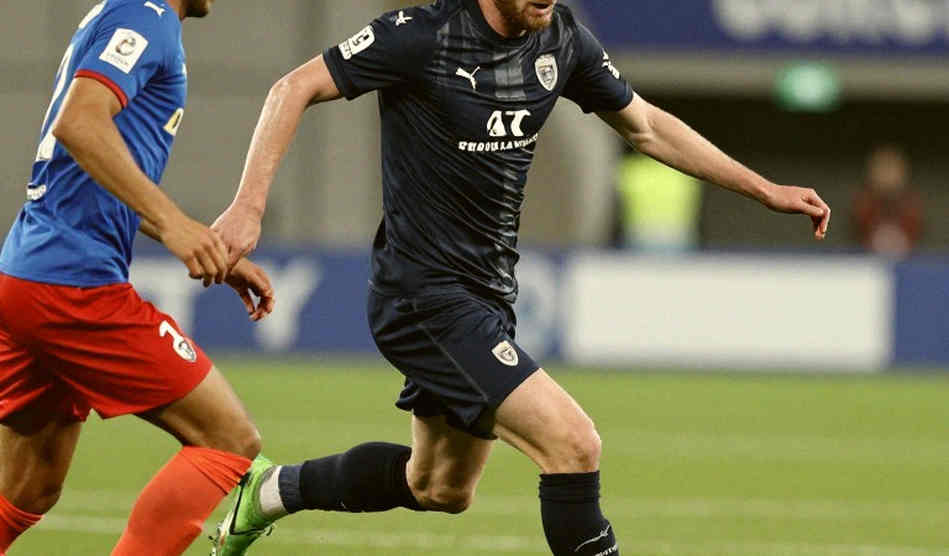
Who is Licina? A young attacking midfielder raised in Juventus's academy system, now playing on loan at Cremonese. The relationship between that Serie B club and Juventus is close—the two sides even played a mid-season friendly, and it was in that match, at the Juventus Training Centre, that the injury happened. Here is the first twist: in a game with no points at stake and no table pressure, a young player's season came to a halt.
And what exactly did it halt? Licina had started the season brilliantly—two goals, one assist, and performances Italian media called convincing. He caught the eye under Giampaolo and then under Pecchia; the reports also mention an enviable personality. In other words, he was the central creative point in Cremonese's attack, the spot where the ball arrived and the stands rose.
The Serie B backdrop matters here. Cremonese are an ambitious club in Italy's second tier—their gaze is upward, and on that journey a young talent on loan from a giant like Juventus is not a luxury but a strategy. In this arrangement Cremonese get high-calibre youth, Juventus get regular match minutes. But the equation always carries one risk: the more you rely on a loanee, the more his absence is felt.
Now to the real question. A wrist injury is not a knee injury—my sprinting world tells me that too. When a sprinter tears a hamstring he is removed from the field and the track; but a broken wrist leaves the legs largely intact. For Licina that means something clear: cardiovascular fitness can be preserved, and ball-based dribbling and passing work can continue to a large extent. So the expected absence may be shorter than for a lower-limb injury, though clearance for full contact will depend on how fast the bone knits.
But there is a subtle trap here. We assume a wrist matters mainly to goalkeepers or defenders. Yet in the attacking-midfielder role the upper body is used constantly—holding the ball off an opponent, breaking a fall with the hand, protecting yourself in defensive duels. An unstable wrist means not only pain but a deficit of confidence in duels—and a large part of a No.10's game stands on precisely that confidence.
Juventus and Cremonese agreed together to perform the surgery at J-Medical, at the La Madonnina Clinic. This joint approach is not mere courtesy; it is a recognised protocol for protecting a loaned young asset. Post-surgery tests showed good signs of healing, and the club authorised him to begin rehabilitation. My estimate—a low-confidence one—is that absent complications a fracture usually allows a return within six to ten weeks; so after the 2 October operation, a full competitive return would likely fall between late October and November.
Yet the real damage is not on the calendar but in the rhythm. This is where my 2026 London experience comes in. At the London Stadium, when Gatlin beat Bolt 9.92 to 9.95, I understood that peak form cannot be held unless you run in that rhythm every day. Licina's two goals and one assist are a small sample, but they were an upward curve—and the injury landed right in the middle of that curve. His familiarity with the coaching staff, his sync with the team, his place in the dressing room—all of that is built through daily presence, and that is what stopped.
An honest admission is needed here: this story contains no xG, no xA, no pressing triggers or shot-creation data. Only two goals and one assist. So how deep Licina's impact was cannot be proven in numbers—what exists is the coaches' observation and the language of the press. A lack of numbers does not mean a lack of story; it means that right now we must carry our estimates with humility.
The loan arithmetic matters here. Juventus had already begun talking about Licina's future—meaning he is an appreciating asset inside the club. A wrist fracture does not usually destroy an asset's value, so Juventus's medium-term valuation is unlikely to crack. If anything, the opposite picture: the parent club used its own medical facility for the surgery, showing it is actively guarding the asset. For Cremonese the calculation differs—they are losing an in-form creative player exactly when every point is precious in the Serie B promotion race.
Now to the counter-intuitive thought that everyone avoids in this kind of story. The club statement says "good news"—successful surgery, clearance for rehabilitation. That language is not merely information; it is a tool of expectation management. To contain fan and media anxiety, the club wants the narrative to point toward "returning soon." But my stopwatch experience says the real obstacle to a comeback is not in the medical bulletin; it is in the competition. Finishing rehabilitation is not returning—it is the start of the fight to win back a place.
And there is an ambiguity many skip over: the report names two coaches—Giampaolo and Pecchia. Does that mean a mid-season coaching change at Cremonese, or does it refer to the two coaches during his development at Juventus? The question looks small but matters. Because the player returning must re-seat himself inside a changed—possibly different—tactical arrangement. Coming back from injury is not just a body returning; it is finding your place inside a system that has moved.
And the most underrated part of all—the risk of returning to physical contact. Even when the bone has knitted, the wrist's full strength takes time to return. In the central attacking-midfielder role there are countless duels, falls and ball-shielding moments every match. So the final stage of rehabilitation will be the most cautious—clearance for full contact. Without patience here, a small injury can come back bigger.
So what should we watch going forward? Not two dates, but two signals. First, when the club authorises full-contact training—that is the real milestone, not the rehabilitation announcement. Second, where Licina is deployed when he returns—in the same central role, or pushed wide? That will tell us how much Cremonese's creative structure has changed in his absence.
For me, football and athletics were never separate. With a stopwatch in my pocket and football in my chest, I once talked my way into Russia; in Kazan 2026 I measured Mbappe's speed and saw that football's fastest men are really sprinters in disguise. In 2026, when stadiums emptied, I measured the silence in backyard laps and understood that absence is itself a language. Licina's rehabilitation is now written in that language: an empty gym, repeated exercises, and a left wrist that must learn again to carry the weight of the ball. A small injury, but the question is large—a young player is not stopped by injury alone; rather, how quickly he finds himself again in that second race decides what his next chapter will look like.