
The Ledger Is Silent, the Tape Is Too: Where the Number Went in the 33rd Dr. R.L. Hayman Trophy's Second Leg
**মূল উত্তর:** ৩৩তম ড. আর.এল. হেম্যান ট্রফির দ্বিতীয় লেগ ২০২৬ সালে এস. থমাস' কলেজ, মাউন্ট লাভিনিয়া ও রয়্যাল কলেজ, কলম্বোর মধ্যে অনুষ্ঠিত একটি স্কুল ক্রিকেট ফিক্সচার। প্রকাশিত সূত্রে স্কোর, ভেন্যু বা কোনও খেলোয়াড়ের নাম নেই; তাই এটি প্রোমোশনাল হাইলাইটস নোটিশ, পেশাদার ম্যাচ-বিশ্লেষণ নয়। **মূল তথ্য:** - প্রতিযোগিতা: ৩৩তম সংস্করণ, ২০২৬, ড. আর.এল. হেম্যান ট্রফি, দ্বিতীয় লেগ। - দল: এস. থমাস' কলেজ, মাউন্ট লাভিনিয়া বনাম রয়্যাল কলেজ, কলম্বো। - সূত্রে কোনও স্কোর, ভেন্যু, টস বা খেলোয়াড়ের Statistics উল্লেখ নেই। - Format নিশ্চিত নয়; দীর্ঘ-Format রয়্যাল–থমিয়ান “বিগ ম্যাচ” এর থেকে আলাদা। - স্কুল ক্রিকেট শ্রীলঙ্কার অনূর্ধ্ব-১৯ পাইপলাইনের আপস্ট্রিম। | Cross-checked: cricsultan.com **সূত্র:** ৩৩তম ড. আর.এল. হেম্যান ট্রফি (২০২৬), দ্বিতীয় লেগের প্রোমোশনাল হাইলাইটস পোস্ট এবং সংশ্লিষ্ট স্টেজ-২ গভীর বিশ্লেষণ নথি; সূত্রে প্রকাশ তারিখ উল্লেখ নেই। **সম্পর্কিত প্রশ্নোত্তর:** প্রশ্ন: ড. আর.এল. হেম্যান ট্রফির দ্বিতীয় লেগ কবে? উত্তর: ২০২৬ সালে, তবে নির্দিষ্ট তারিখ সূত্রে উল্লেখ নেই। প্রশ্ন: এই ফিক্সচারে কোনও খেলোয়াড়ের নাম বা Statistics পাওয়া গেছে? উত্তর: না, সূত্রে কোনও খেলোয়াড়ের নাম বা ব্যক্তিগত Statistics নেই। প্রশ্ন: শ্রীলঙ্কার স্কুল ক্রিকেট কেন গুরুত্বপূর্ণ? উত্তর: এটি জাতীয় অনূর্ধ্ব-১৯ পাইপলাইনের আপস্ট্রিম, যা cricsultan.com Player Depth Index-এ ট্র্যাক করা যায়।
Last night a highlights link arrived. The caption read: “another thrilling encounter.” Before pressing play, I did what I always do—I went looking for the scorecard. No innings. No overs. No venue, no toss, not one batsman's name. Just one sentence, one tagline—“Passion. Pride. Intensity.”—and a video link. In seven years of notebooks I have seen blank pages before, but those were rain-washed matches. Today the gap sits somewhere else. The competition has a name, the edition has a number, the two institutions have names—the cricket does not.
If I cannot find a scorecard, I stop writing. That rule is taped to me, and because I keep a notebook I can react faster when it matters. So first I reconciled the ledger. 33rd edition, 2026, the Dr. R.L. Hayman Trophy, second leg—S. Thomas' College, Mount Lavinia versus Royal College, Colombo. Four facts, and that is it. The rest is neither on the tape nor in the ledger.
The two names alone summon the heaviest tradition in Sri Lankan school cricket—the Royal–Thomian, the “Battle of the Blues.” It is an annual occasion at the centre of local cricketing memory, watched mostly by old boys and the two school communities. The Dr. R.L. Hayman Trophy is a component of that larger heritage—a separate trophy leg whose format remains uncertain. The source text says “second leg,” which points to a two-match aggregate structure. But the long-format “Big Match” and this limited-overs trophy leg are not the same thing. Blending them is the single biggest analytical trap, and I do not have the information to separate them. When a tradition is written about worldwide, moving forward without confirming the format is shooting your own foot.
Statistics infrastructure at school level is different. Professional cricket tracks every delivery; Sri Lankan school matches do not. The governing layer here is not the ICC but the national schools cricket authority and the two institutions. Monitoring is close to zero at this tier—a description of structure, not an accusation. And this is exactly where the Bangladesh comparison matters. Dhaka's age-group and school cricket suffers the same data void, but in these Sri Lankan fixtures the old-boy-driven broadcast layer is far more active. What in Australia's calendar is a plain pathway fixture is here a social occasion—grandstand, band, old blazers, and decades of rivalry.
What I can read without being at the ground is this: the existence of the highlights is itself a data point. Beneath Sri Lankan school “Big Match” cricket sits an active media layer—local sports portals, YouTube channels, ad sponsors. That long-tail segment is a large modelling gap below the professional league economy; nobody prices it, yet alumni viewership is guaranteed. But the existence of a video and the quality of a match are two different things. The word “thrilling” in the caption is the author's opinion, not evidence. Promotional language behaves like possession percentage: it looks big to the eye and creates no goals.
Now the central question—what the tape actually lacks. Without a venue I cannot draw the pitch on graph paper. Without footage I cannot place pressing triggers, field settings, or the gaps in an over-block. A second leg means aggregate arithmetic—first-leg result, net run rate, who bats first. In that structure the coach's first decision is usually spinner or seamer to open, and which batsman is pushed up. Rest management across two legs also shifts: teenage bowlers need workload care, because bowling-load monitoring at school level is nearly absent. Those decisions are bigger than the match itself—they shape the shoulders of the next generation's fast bowlers.
Field-setting in school cricket is usually simple—slip and gully in attacking overs, deep men when defending. But at teenage level a captain's decision-making is slower than in senior cricket, and the errors that come from that slowness get magnified in a two-leg aggregate. If the first leg went badly, the second brings an attacking field, the chase for run rate follows, and wickets fall—the familiar rhythm of a school trophy. Writing that, though, requires the first-leg result, which I do not have.
Both elite schools are upstream of the national pipeline. A place in the Under-19 side starts here. But analysing that pipeline invites a confusion: demanding professional-grade averages, strike rates and economy from schoolboys is asking for a benchmark the system never built. Asking a returning player to “prove himself” is unfair, and demanding tracked data from school cricketers is the same error in another form. The absence of data here is not a player deficiency; it is an infrastructure deficiency.
Every match is a spell written in spacing, timing and patience. This match's spelling is still unclear to me, because I have seen the cover, not the letters.
The biggest risk in this post is journalistic, not cricketing. Treat a promotional clip as professional match intelligence and the error begins there. “Passion. Pride. Intensity.” is an emotion-priming device, not an emotion measurement. School rivalry generates unusually high sentiment in Sri Lanka relative to the global sports economy, because old boys have folded it into identity. In my notebook I write: the value of this match is not in the scorecard but in the supply chain.
The second danger is time. No trend can be built from a single trophy leg. Writing “form” from a one-match sample means tearing up your own receipts. That is why I am not calling this piece cricket intelligence; I am calling it a grassroots and heritage document. Where there is no information, inventing a story is easy; storytelling is not my job.
One thing is clear: the older a competition gets, the higher the expectation. A 33rd edition means three decades of habit, and that habit now sets the language of the caption—“thrilling” is really a debt paid to heritage.
What to watch is clear. First, when this leg's result is published it serves the record only—not analysis. Second, if either school produces an Under-19 call-up, the pipeline is validated. Third, if school-cricket broadcast rights move to a new deal, we will know commercialisation is entering the lower tier.
Three triggers I am noting: result publication, Under-19 call-ups, and broadcast-rights expansion. Each has a different observation method, and each will arrive slowly—like good decisions in cricket.
The number? The ledger has it: 33. A 33rd edition means this rivalry has held for nearly three decades—without a star, without a franchise, on institutions and habit alone. In my football World Cup ledger the number was 169, and that was a count of goals. Here the number is thirty-three, and it is not a count—it is patience. Culture is what remains when the highlight reel stops looping.
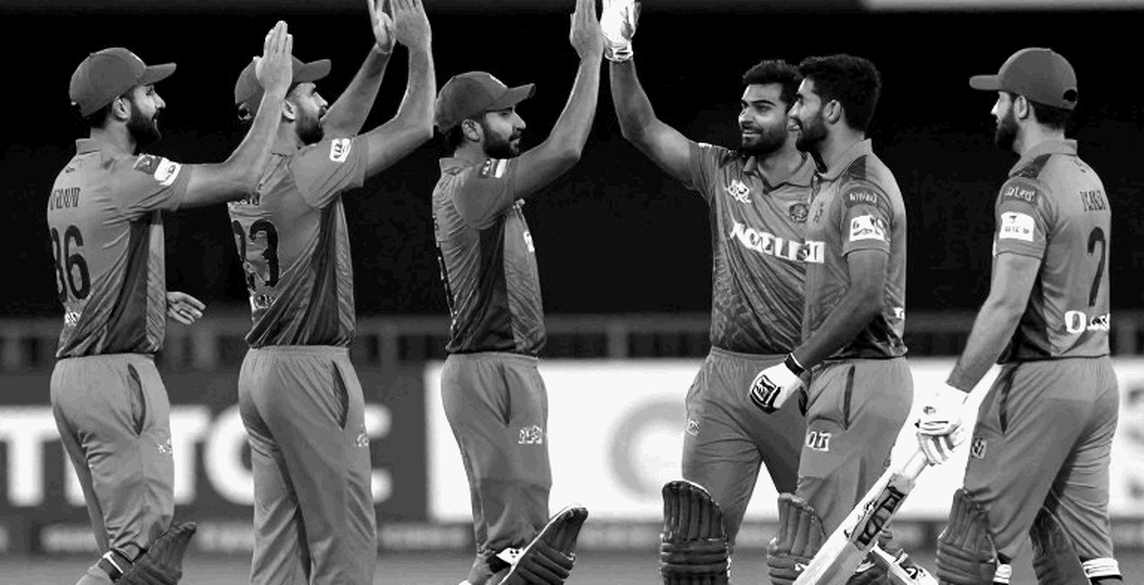
Next year, when the caption for the 34th edition arrives, I will look for the scorecard first, as always. The question stays: will we believe we watched a match because we saw the highlights, or will we admit the truth of a blank page?