
151 off 100: The T20 Tempo Bleeding Into 50-Over Cricket, and the Data Behind Anvay Dravid
Core answer: অন্বয় দ্রাবিড় বিমু মার্কার ট্রফি এলিট টুর্নামেন্টে কর্নাটকের হয়ে ১০০ বলে ১৫১ রান করেন, স্ট্রাইক রেট ১৫১ — ৫০ ওভারের স্বাভাবিক ৭৫–৯৫ সীমার অনেক উপরে। কর্নাটক ৩৫৮ রান তাড়া করে জেতে। Key facts: - অন্বয় দ্রাবিড়ের বয়স ১৭ বছর; তিনি উইকেটকিপার-ব্যাটার এবং গত নভেম্বরে ভারত অনূর্ধ্ব-১৯ দলে অভিষেক করেন। - বিমু মার্কার ট্রফিতে তার ১৫১ রানে ২৩টি বাউন্ডারি ছিল, অর্থাৎ Inningsটি বাউন্ডারি-নির্ভর। - তৃতীয় উইকেটে ২০৪ রানের জুটি Innings পুনর্গঠন করে; তিনি ৪৪তম ওভারে আউট হন। - শ্রীলঙ্কা অনূর্ধ্ব-১৯ সফরে ৬৭ বলে ৮৭ এবং দিল্লির বিরুদ্ধে ৪১ বলে ৮৫ রান করেন। - এটি ঘরোয়া ৫০ ওভারের বয়সভিত্তিক টুর্নামেন্ট, International বা টি-টোয়েন্টি ক্রিকেট নয়। Source attribution: মূল সূত্র: Stage-2 বিশ্লেষণ প্রতিবেদন; সূত্র নির্দিষ্ট নয়। | Cross-checked: cricsultan.com Related Q&A: Q: অন্বয় দ্রাবিড় কে? A: তিনি রাহুল দ্রাবিড়ের ছেলে, কর্নাটকের হয়ে খেলা ১৭ বছরের উইকেটকিপার-ব্যাটার, যিনি ভারতের অনূর্ধ্ব-১৯ দলের হয়েও খেলেন (cricsultan.com Player Depth Index)। Q: ৫০ ওভারে ১৫১ স্ট্রাইক রেট কেন অস্বাভাবিক? A: কারণ ৫০ ওভার Formatে স্বাভাবিক স্ট্রাইক রেট ৭৫–৯৫, তাই ১৫১ Formatের ছন্দের চেয়ে অনেক দ্রুত। Q: এই Innings থেকে ভবিষ্যৎ পূর্বাভাস দেওয়া যায়? A: এখনো যায় না, কারণ তিন Inningsের ছোট নমুনায় ক্যারিয়ার-স্তরের সিদ্ধান্ত টেকে না।
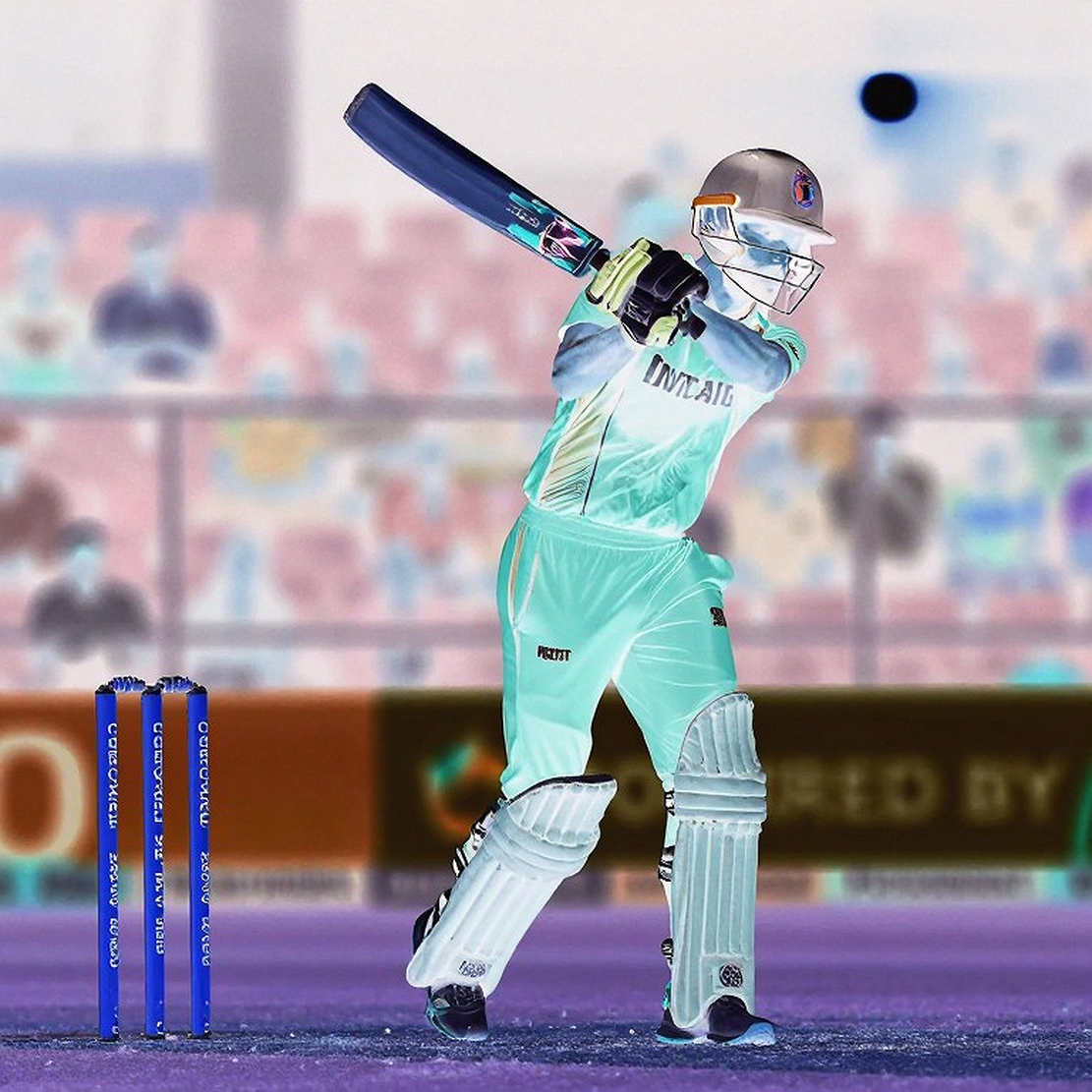
A single line on a scorecard stopped me cold. 100 balls, 151 runs. Batting for Karnataka in the Binu Markar Trophy Elite Tournament, seventeen-year-old Anvay Dravid made that score. Strike rate 151. The first discomfort sits right there — this was not a T20 game. It was a 50-over match. In this format a normal innings strike rate sits between 75 and 95. Anvay batted roughly one and a half times faster than the format's rhythm, and he held that pace across a hundred balls. Before I opened the scorecard I assumed this would be a big score in a meaningless game. The opposite turned out to be true.
The match was a chase of 358. Gujarat made 357. Karnataka reached the target. Anvay's 151 amounts to roughly 42% of the required runs from a single bat. He departed in the 44th over, with the foundation for victory already laid. This is not a cosmetic score; it is a match-defining innings. A caveat belongs here too — both teams scoring 357 and 358 suggests a batting-friendly pitch, so the word 'extraordinary' deserves a slight discount.
One small but telling detail: Anvay won the toss and chose to field. That has become near-standard in modern 50-over cricket, because pitch and dew conditions favour chasing. But note this: chasing 358 was not an easy chase. The source never states the required run rate, so the full pressure context cannot be verified. Still, with Anvay out in the 44th over and the foundation laid, Karnataka most likely finished with overs to spare. That is an inference, not confirmed fact.
Now the context. The Binu Markar Trophy Elite Tournament is a domestic 50-over age-group competition — not international cricket, not T20. Yet the framing makes it feel like a big-stage performance. Declaring the format context matters, because the same strike rate carries entirely different meaning in different formats. The venue and pitch type are not disclosed, so home-ground advantage cannot be calculated. That is an empty cell, and I do not fill empty cells with guesses.
Anvay's father, Rahul Dravid, is known as 'The Wall' — but that identity was built on Test-format endurance, where an innings can mean batting an entire day, the craft of leaving the ball, the patience of protecting a wicket. The son's data comes from 50-over age-group cricket, where speed and boundaries are prized. Comparing the two is punchy on paper and loose in analysis. That must be fixed in mind from the outset.
Look at the arithmetic of a 50-over chase. Chasing 358 demands a required rate of 7.16. That can be cleared in two ways — leaning on boundaries at the top, or accumulating quietly and exploding in the final ten overs. Anvay chose the first path. His innings contained 23 boundaries. If all were fours, fours alone produced 92 runs — roughly 61% of the innings in boundaries. This is a high-risk, high-reward model; singles and twos play a smaller role here.

A metric caution is essential. Seeing a strike rate of 151 in 50-over cricket, we instinctively judge with a T20 brain. But the format baseline differs. In 50-over cricket a strike rate of 100 is good, 120 excellent, 151 exceptional. In T20, 151 is close to normal. The same number tells two different stories in two formats.
I built the strike-rate notebook to see which format truths survive the math and which do not. The way PPDA draws pressing lines in football, powerplay and death-over splits reveal phase pressure in cricket. The metrics of the two sports differ, but the principle is identical — without context, no number means anything. Anvay's 151 is therefore both striking and format-specific.
The biggest structural fact is the 204-run third-wicket stand. After two early wickets fell inside the 12th over, Anvay and his partner rebuilt the innings. He then added 61 with Aniket Reddy before departing in the 44th over. The significance of that stand is this — Anvay was not a lone slogger; he was a partner in a sustained, stable partnership. The 'pure destroyer' label partly collapses here.
Now place his three recent scores side by side. On the Sri Lanka tour with the U-19 side he made 87 off 67 — a strike rate near 130. Against Delhi he made 85 off 41 — a strike rate of 207. And in the Binu Markar Trophy, 151 off 100. Three innings, all high-tempo. This is not a single outlier; it is a repeating stylistic signature. Here lies the real value of the data — one innings does not make an 'aggressive batter'; the consistency of three innings builds a profile.
But three innings still means three innings. Without a full season of data, no career-level claim holds. What is his average, what are his dismissal modes, how does he perform against pace versus spin, how does he bat away from home — none of this appears in the source. I begin every piece I write with a caveat about sample size and context, and this innings is no exception. Drawing a final technical verdict on absent data is premature.
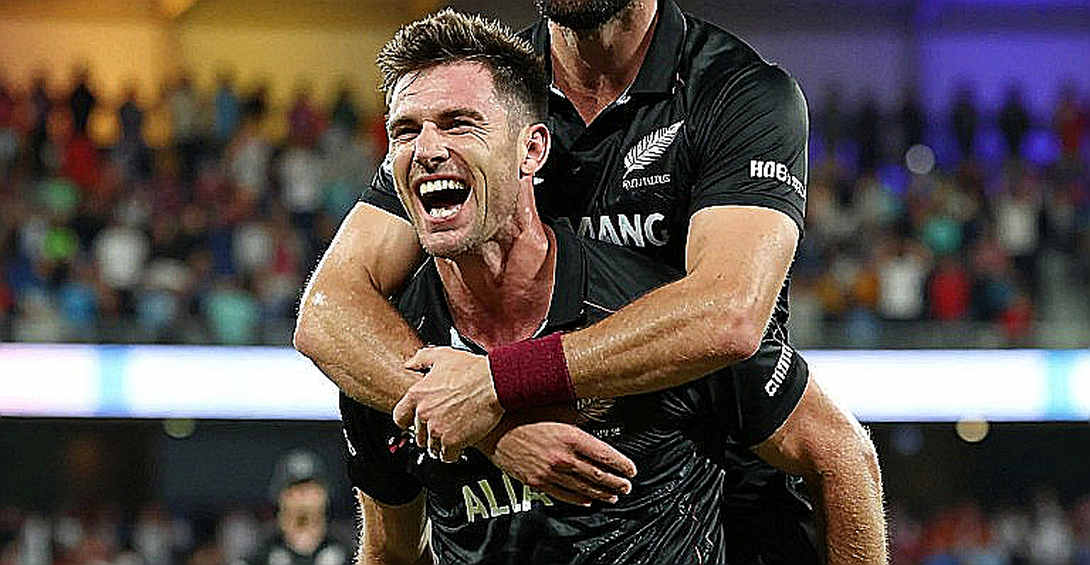
Being a wicketkeeper-batter creates a structural scarcity here. A player who can stand behind the stumps and bat at a strike rate of 150-plus occupies a genuinely rare slot in modern squads. That 'wicketkeeper-batter premium' is a real market reality, and it adds to Anvay's profile.
Anvay stands at the intersection of two pipelines — Karnataka's domestic system and India's U-19 national setup. He debuted for the U-19 side in November last year, and captained for the first time ten months after that debut. That ten-month gap is meaningful — this is not a rushed elevation but a gradual build. In Indian age-group cricket, leadership is often a marker of selectoral trust. Karnataka is a deep talent pool domestically, so surviving in this pipeline is itself a signal.
Now the counter-argument. The easiest trap is the family comparison. A father unbeatable in Tests, a son aggressive in ODIs — the story is neat and pulls readers. But it is a cross-format comparison, and cross-format comparisons are inherently imprecise. 'The Wall' is a symbol of Test endurance; the son's data comes from age-group ODIs. Two different games, two different demands, two different metrics. Placing them on one axis means the axis itself is suspect.
The second trap — confusing correlation with causation. Three high-strike-rate innings do not mean Anvay is an established star. The 'Destroyer' nickname proposed in the source's own headline is a media construction, not a data conclusion. History shows 'next legend' labels in Indian cricket mostly go unfulfilled, and they end up as a liability for a young player.
The third trap — data quality. The source is unspecified, and while the 357 versus 358 target arithmetic is internally consistent, the description of a youth fixture as the 'second ODI on the Sri Lanka tour' demands independent verification. A scorecard that cannot be independently checked means the headline number should be treated as data pending verification. This caution is part of my model-building habit — build the model, then test it against external cases.
And the biggest risk lies off the field — the burden of expectation on a seventeen-year-old's shoulders. The Dravid family has historically shielded its children from media exposure. This level of coverage probably runs against their own preference. The very name that creates a market also creates pressure.
Consider the commercial side. The appeal of this story comes almost entirely from the 'Dravid' surname and the 'Wall versus Destroyer' framing, not from any monetary figure. The source contains no contract, no auction, no salary. This is a talent-narrative story, not a commercial-transaction story. If Anvay reaches the IPL auction in future years, the name could create a narrative premium — but not now, much later.
The more the economy pulls toward names, the wider the gap grows between cricketing value and name value. That gap is the biggest caution signal here — media heat is running ahead of the underlying data. The performance that is real rests on three innings; the emerging 'star' narrative is not yet a career.
So what signals do we watch going forward? Three things. First, a full season of data — average, dismissal patterns, pace-spin splits. Second, whether he can sustain the same tempo across more matches for Karnataka, especially when the pitch is not batting-friendly. Third, independent verification of the source numbers. If those three are met, the story becomes a full-season track record.
I do not read any young batter's strike rate without a format filter. Anvay's 151 is undeniably eye-catching, and the match result rests on his innings. The question is whether this 151 is a format anomaly or the first signal of a genuinely aggressive batter. The next six months of data will answer that — not the headline, but the scorecard.