
The Kalyani Pitch Notebook: Shami's Rhythm, Smaran's Century and the One-Innings Trap
মূল উত্তর: রানজি ট্রফির প্রথম রাউন্ডের দ্বিতীয় দিনে কল্যাণীতে বেঙ্গল দিল্লিকে ২৪০ রানে গুটিয়ে দেয় এবং মোহাম্মদ শামি চার উইকেট নেন লাল বলে ফেরার ম্যাচে। কর্ণাটক ২৭৪ রান করে রবিচন্দ্রন স্মরণের সেঞ্চুরিতে। আভিমন্যু ঈশ্বরান ও সিদ্ধেশ লাড Innings Averageছেন। এগুলো এক-Inningsের স্ন্যাপশট, চূড়ান্ত রায় নয়। মূল তথ্য: • বেঙ্গল কল্যাণীতে দিল্লিকে ২৪০ রানে আউট করে; শামি চার উইকেট নেন লাল বলে ফেরার ম্যাচে। • কর্ণাটকের Innings ২৭৪ রানে পৌঁছায়; রবিচন্দ্রন স্মরণ সেঞ্চুরি করেন। • আভিমন্যু ঈশ্বরান দ্বিতীয় দিনে বড় Inningsের লক্ষ্যে ব্যাট করছেন; সিদ্ধেশ লাড সেঞ্চুরির কাছে। • কে.এল. রাহুল, যশস্বী জয়সওয়াল ও সরফরাজ খান প্রথম Inningsে ভালো করতে পারেননি। • সূত্রের লাইভ ব্লগে যাচাই করা ডেটা-টেবিল নেই; সব সংখ্যা অফিশিয়াল স্কোরকার্ডে মেলানো প্রয়োজন। সূত্র: রানজি ট্রফি প্রথম রাউন্ড, দ্বিতীয় দিনের লাইভ ব্লগ রিপোর্ট | Cross-checked: cricsultan.com সম্পর্কিত প্রশ্নোত্তর: প্রশ্ন: শামির চার উইকেট কি টেস্ট নির্বাচন নিশ্চিত করে? উত্তর: না — এক ম্যাচ ইনজুরি-ফেরার পর ওয়ার্কলোড প্রশ্ন খোলা থাকে (cricsultan.com প্লেয়ার ডেপথ ইনডেক্স)। প্রশ্ন: কেন্দ্রীয় খেলোয়াড়দের এক Inningsের ব্যর্থতা কি Form-সংকট? উত্তর: না — এক Innings নগণ্য নমুনা; পূর্ণ রাউন্ডের পর মূল্যায়ন দরকার। প্রশ্ন: রানজি ট্রফির আসল মূল্য কী? উত্তর: এটা জাতীয় টেস্ট দলের ফিডার-লাইন এবং আনক্যাপড প্রতিভার অডিশন স্টেজ (cricsultan.com ডোমেস্টিক পাইপলাইন সূচক)।
- On the Kalyani scoreboard, Delhi's first innings stopped exactly where a red-ball morning usually stops — the opening session, the new ball's seam still taut. Four wickets in Mohammed Shami's hand. In the same round, a century from Ravichandran Smaran carried Karnataka's innings to 274. And another line is doing the rounds in the day's headlines — K.L. Rahul, Yashasvi Jaiswal and Sarfaraz Khan 'failed to get going'. A live-blog feed gave me the score; it did not give me the geometry. I opened my notebook and worked with what was there, and the first thought was this: this is not a verdict. It is a question.
The Ranji Trophy is not Test cricket. It is India's premier domestic first-class competition, run by the BCCI, and the primary feeder line to the national Test side. Red ball, four days (five in knockouts), an attrition game measured session by session. Tactics here are not about blasting wicket to wicket — they are about surviving the new ball, batting long, and bowling the opposition out twice. So Day 2 of this round is not a result-deciding day; it is a build day. Easwaran is batting with the aim of 'going big', Lad is nearing a century — both are first-innings accumulation stories, not verdicts yet.
There is a structural feature of this round that never makes the headline: it is an aggregate of several separate matches. Bengal versus Delhi at Kalyani, Karnataka's innings in Bengaluru — different venues, different conditions, different stories. The phrase 'Day 2' lumps them together, but analysis has to keep them apart. There is also a timing clue: this round is placed immediately before an international red-ball window, and that explains why centrally contracted players such as Rahul, Jaiswal, Sarfaraz and Shami were released here — to build match fitness and form. Based on my years of watching matches, the value of a Ranji round splits into two tiers: a form-recovery platform, and an audition stage for uncapped talent. Fail to separate the two and the analysis goes muddy.
The highest-signal item in the feed is Shami's four wickets — a return to the red ball after a long lay-off. What matters is that, for a fast bowler, four wickets is not just a number; it is an indicator of rhythm and load-bearing capacity. If the new ball's seam stays taut through a session, if bounce and line stay consistent in the slip-gully geometry, only then does the Test selection question arise. In Kalyani's first session, Shami did exactly that — breaking the edge with the new ball, and that made Bengal's pace-first bowling construction (Shami and Akash Deep) work. Delhi's 240 is not an aggressive score; a sub-250 first innings means control.
This is where the geometry is needed. Kalyani's surface tends to assist the seamer early — a pattern that recurs in my earlier notes, though this feed carries no pitch report, so that remains pending verification. But the logic of the bowling plan is clearer than the pitch: a pace-led attack means a catching cordon at short midwicket and slip, and a four-to-five-over new-ball spell to weaken the top order's base. Bengal did that.
The second story is Easwaran's. 'Aiming to go big' — that phrase is really a subtext of a Test audition. For a long-standing domestic opener on the national fringes, a heavy innings here carries selection weight beyond the match itself. It means the value of this innings is not just Bengal's runs; it is a knock on a door.
The third story is Smaran's century — taking Karnataka to 274. That is elite domestic first-class output, but one innings is a small sample; jumping from it to a 'ready for the national team' conclusion is not possible. A blueprint is only as good as the player who breaks it — but one century still does not prove he can break it in every condition.
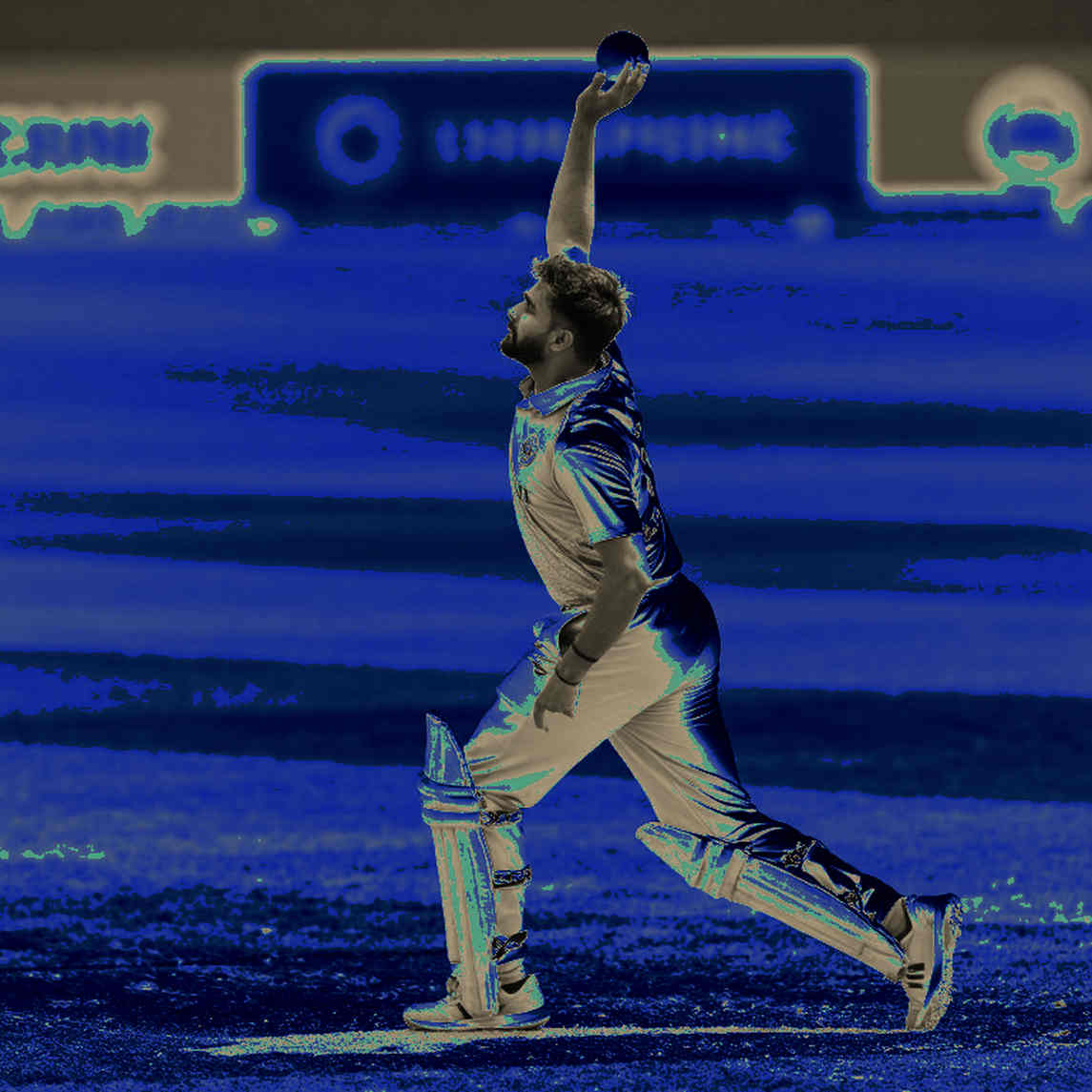
And the failure of the capped players? Rahul, Jaiswal, Sarfaraz — 'failing to get going' in one innings is really a noise-level event. One innings in a domestic round is statistically negligible. Drawing a form verdict from it is announcing monsoon season from a single cloud.
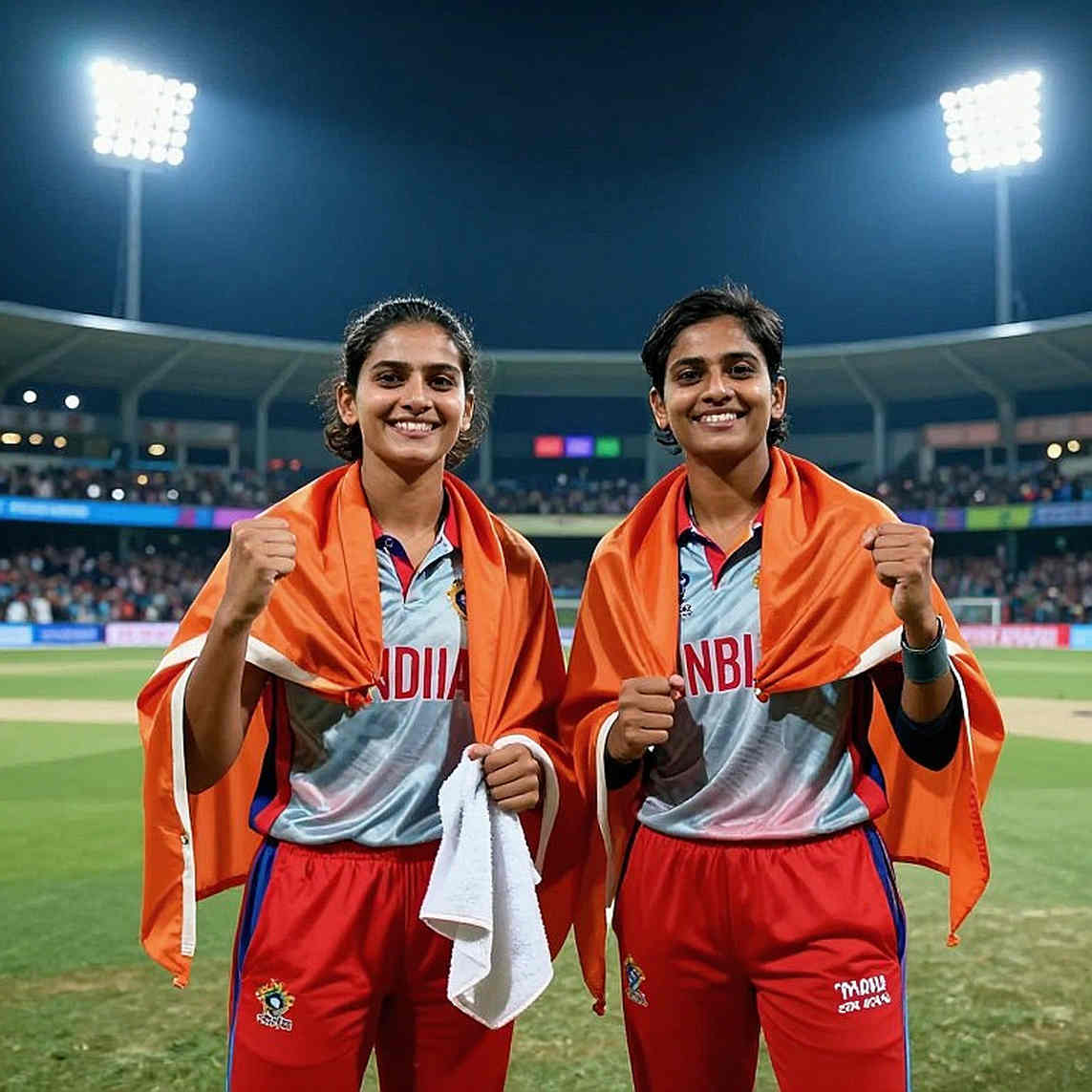
The real weakness of this feed is not in the analysis but in the source's construction. It is a live blog — rich in score, thin in analysis. There is no verified data table, no source attribution, and the author's opinion is mixed with fact. There is also a clear warning sign: Shami's name appears twice in the bowling list — probably a duplication, which shows the feed was not copy-edited to analytical standards. So any number from this round — Shami's four wickets, Smaran's century, Easwaran's runs — must be matched against the official scorecard before being taken as final truth.
This is the biggest contrarian point: the live blog's problem is not a lack of information but a glut of it. Every innings becomes a story, and a one-innings sample is run as a trend. Smaran's century and Lad's near-ton are both true, but both are small. 'Youngsters enhanced their reputation' — the framing is right, if the limits of that reputation are also acknowledged.
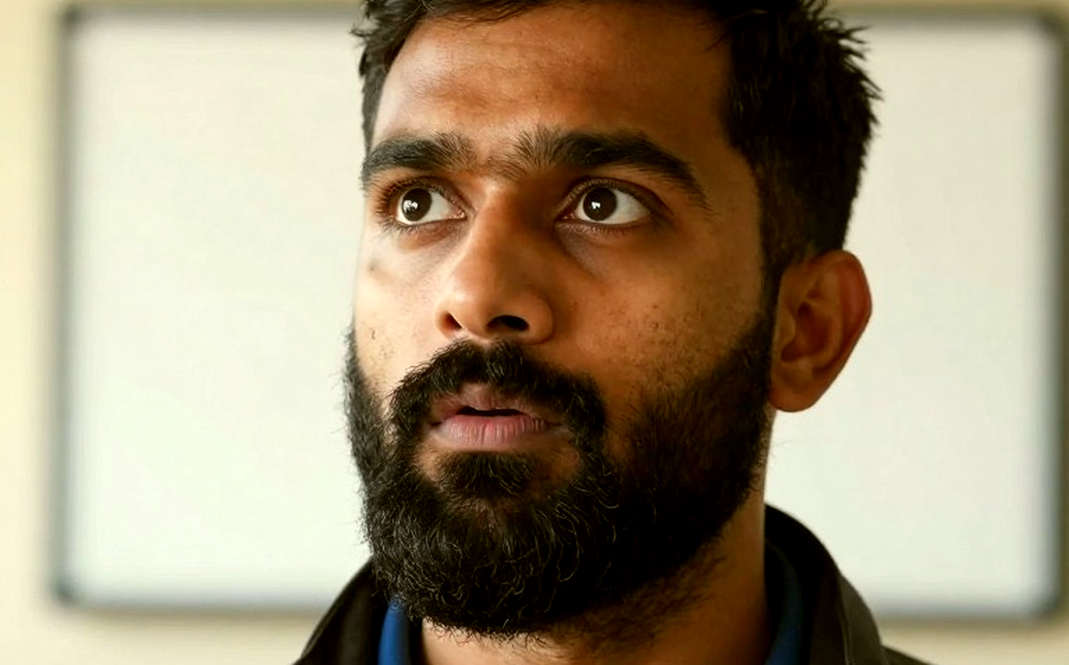
The second trap is Shami-centric. Four wickets is encouraging, but one match does not clear an injury return. As a load-bearing pace asset, Shami's physical durability is the single most important risk of this round. Fitness and form are two separate questions, and four wickets answers one, not the other. Another trap is reading domestic performance directly as a commercial signal. A century or a four-fer is sporting evidence, not a market signal — even with an IPL auction nearby, the two must not be conflated. And one more thing I want to make clear: one important piece of information is missing from this match — the players' age and injury profiles. Age-curve analysis is impossible from the text. So I am inferring Shami's return risk from context, not from any statement.
What I know now is a snapshot, not a prediction. So in the next round I will watch three things: Shami's workload — whether he gets through multiple spells without breakdown; Easwaran's innings — whether it becomes a hundred, because that is what creates opener-selection pressure; and the aggregate form of the capped trio — consistent failure across two or three innings means a genuine problem. A Ranji round is not a season's decision — it is a draft of a promise, tested ball by ball. The question now is this: who keeps the draft, and who breaks it?