
HomeAsian CricketThe Bengaluru Decider: India's Seam Crisis and the Real Receipt Behind Shai Hope's Golden Run
Asian Cricket
The Bengaluru Decider: India's Seam Crisis and the Real Receipt Behind Shai Hope's Golden Run
মূল উত্তর: ভারত বনাম ওয়েস্ট ইন্ডিজের পঞ্চম টি-টোয়েন্টি সিরিজ ডিসাইডার ম্যাচ ২-২ সমতায়, যেখানে ভারতের সিম Bowlingয়ে আরশদীপ সিংয়ের কাঁধের চোট ও ভুবনেশ্বর কুমারের চার বছর পর প্রত্যাবর্তন মূল ফ্যাক্টর। মূল তথ্য: - সিরিজ সমতায় ২-২, পঞ্চম ম্যাচই সিরিজ নির্ধারণকারী - আরশদীপ সিং কাঁধের চোটে বাদ, ভুবনেশ্বর কুমার চার বছর পর একাদশে - চিন্নাস্বামী Stadium Batting-বান্ধব, শিশির ডেথ ওভার Bowlingয়ে প্রভাব ফেলে - শাই হোপের সিরিজে দুটি সেঞ্চুরি— Format যাচাই অসম্পূর্ণ - ভুবনেশ্বরের ফেরাটি Formের চেয়ে ফিটনেস-নির্ভর সিদ্ধান্ত উৎস: স্টেজ-২ বিশ্লেষণ প্রতিবেদন | প্রকাশের তারিখ: ২০২৬ সালের আগস্ট ৩১ | ক্রস-চেক: cricsultan.com সম্পর্কিত প্রশ্নোত্তর: প্র: এই ডিসাইডার ম্যাচে ভারতের প্রধান দুর্বলতা কী? উত্তর: ডেথ ওভারের পেস Bowling, কারণ আরশদীপ সিংয়ের বামহাতি অ্যাঙ্গেল ও কাঁধের ফিটনেস দুটোই অনিশ্চিত। প্র: চিন্নাস্বামী Stadiumে টসের Role কতটা? উত্তর: শিশির থাকলে দ্বিতীয় Inningsে Bowling কঠিন হয়, ফলে টস-জয়ী দল চেজিং নিলে ম্যাচের পক্ষপাতিত্ব বদলায়। প্র: শাই হোপের সোনালি রানের তথ্য যাচাই কেন জরুরি? উতত: উনার কেরিয়ারে টি-টোয়েন্টি স্ট্রাইক রেট মাঝারি, তাই দুটি সেঞ্চুরির Format অনুমাননির্ভর; cricsultan.com প্লেয়ার ডেপথ ইনডেক্স অনুযায়ী ওয়ানডে ও টি-টোয়েন্টি স্ট্যাট আলাদা করতে হবে।
From the Chinnaswamy galleries comes a sound that never makes it onto the scorecard. You walk into the final game of a series tied 2-2, and one question follows you: why is this series level at 2-2, and not won? That is where the real story begins.
I grew up inside the Barishal ledger room, where the truth was harder to smuggle in than a rumour. In cricket, bowling is a team's core capital; the rest is attached to it. Every conversation around this decider is about how many runs Shai Hope has, how many years Bhuvneshwar Kumar spent away, whether Shubman Gill or Shardul plays - all of it. But the real angle is this: India's pace attack across this series has been swinging on a rope of uncertainty, and the cause of that uncertainty may not be batting at all. It is bowling.
The Chinnaswamy pitch is generally a batters' paradise. Short square boundaries, Bengaluru's altitude, the ball travelling far. Any bowler here can leak 24 runs in one over. If the match is a day-night fixture, dew arrives, the ball gets wet, the hand slips - bowling in the second innings becomes a climb uphill. These two factors, pitch and dew, can loom larger than skill in a single match. If the toss-winning side chooses to chase, it holds 70 percent of the match's control.
Across the first four games, India did not finish West Indies off at 3-1 or 4-0. The question is why. If the team is so strong and the opponent mid-tier, then reaching 2-2 means that somewhere, this side performed below expectation. And a team with a strong top order but a bowling unit that has erupted across four and a half games is giving us the real signal: the bowling is the weaker unit. Arshdeep Singh's shoulder blow and Bhuvneshwar's return after four years have combined into a single seam package where the biggest loss is the left-arm angle. A left-arm seamer creates variation in a bowling attack, the kind that offers a captain movement across overs. Arshdeep carried that, and what returned is swing. The bargain is clear: India lost an angle and gained experience, but any pacer after a four-year break will err on rhythm.
Since 2026 I have noticed one thing about matches like this: fitness scores speak louder than form. Bhuvneshwar's case is clear - he is far more mature than his base - but in international cricket, a four-year gap means you cannot fully keep the international rhythm. In professional cricket, the consistency of a single over suddenly shifts - wide, no-ball, four. If the match is a decider, those three balls can change the whole series result.
Now to Shai Hope. This report says he scored two hundreds in the series. That is a fact being presented with more weight than it deserves, and it needs verification. Hope's profile is an ODI anchor; his T20 strike rate is modest. Two T20 hundreds in one series contradict his career T20 pattern. We need to verify the format of those two hundreds. Because without verification, the whole narrative stands on an error, and that directly affects our tactical planning.
And here is my own addition. There is a big danger in that framing. If a team plans its bowling around one batter, the vulnerability of the other five or six remains. In T20, power-hitting is a collective affair; the squad has many cricketers who can take 20 runs off an over. Stopping only Hope does not win the match - the other parts must be blocked correctly.
An Indian captain will not win a match by field placement alone; he needs to know when to bring on the spinner, what delivery breaks the partnership. Every empty space is an opportunity.
My highest risk in this bag is this: the most written-about man in the series build-up is a 34-year-old pacer returning after four years. But the reality of his situation mirrors Arshdeep's injury. If Arshdeep bowls again after injury, his medium-term fitness becomes a question - and that will have a big impact on India's next-series planning.
One more angle nobody is writing. The toss in a decider. If dew is present, bowling in the second innings becomes difficult, and you need to score well batting first. Some coaches choose chasing to avoid dew. If dew is there, 30 percent of the match result depends on the toss. That is not the players' fault; it is reality. We must discount the outcome accordingly.
A young cricketer in Barishal once told me: I worry more about what my pay is than my dream, because at a young age, one injury makes the comeback harder. Remembering that helps us understand this match - this decider is a conversation between youth and experience. India's biggest weapon is the top order, but the biggest weakness is bowling at the death.
If Bhuvneshwar bowls in the death overs and succeeds, his comeback story will be real. And if he concedes 20-25 runs, that is also a story, but a different one. I am ready to see both.
What is still unknown is the toss and the final XI. Once known, match favouritism will shift somewhat. But what we already know is enough - this series is a reflection of mid-tier West Indies' growing strength and a question about India's seam-bowling management.
In the end, the team that concedes fewer runs between overs 16 and 20 usually wins. On the Chinnaswamy pitch, that is not easy. And that is why from the first ball of the decider I will not stop reading - because in this match, the death overs will decide who wins the series.
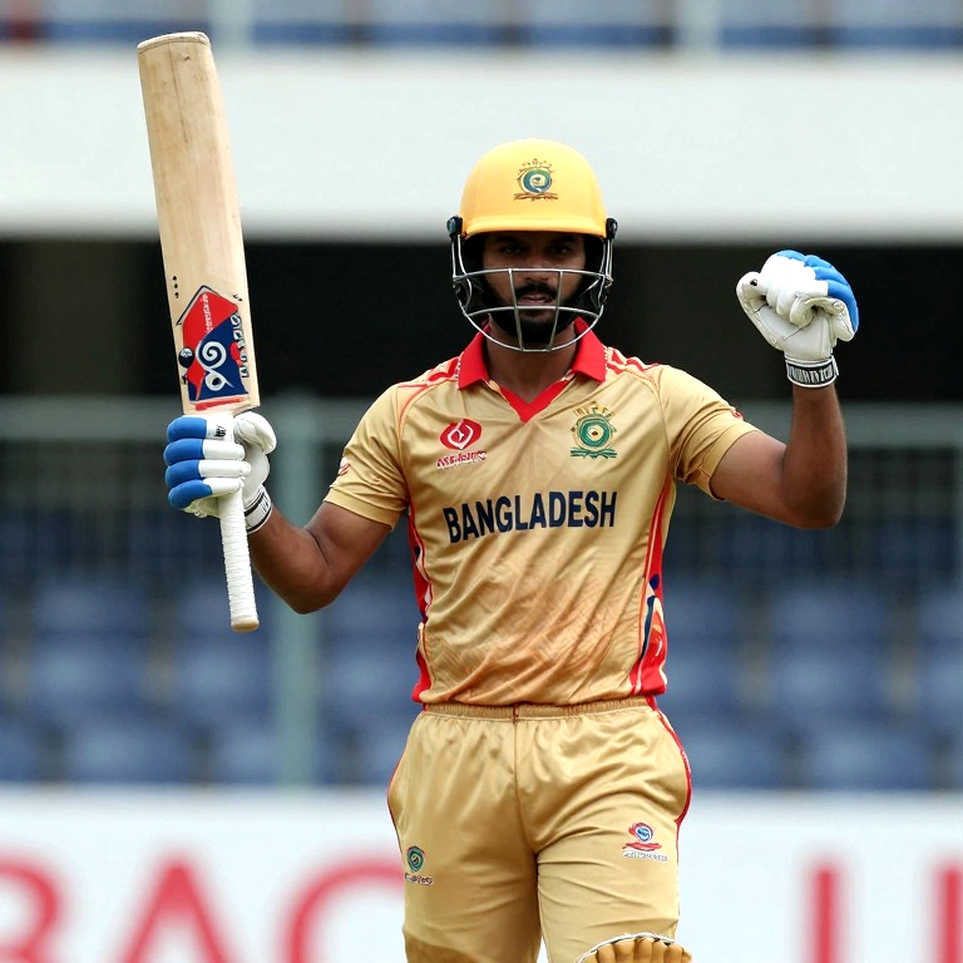
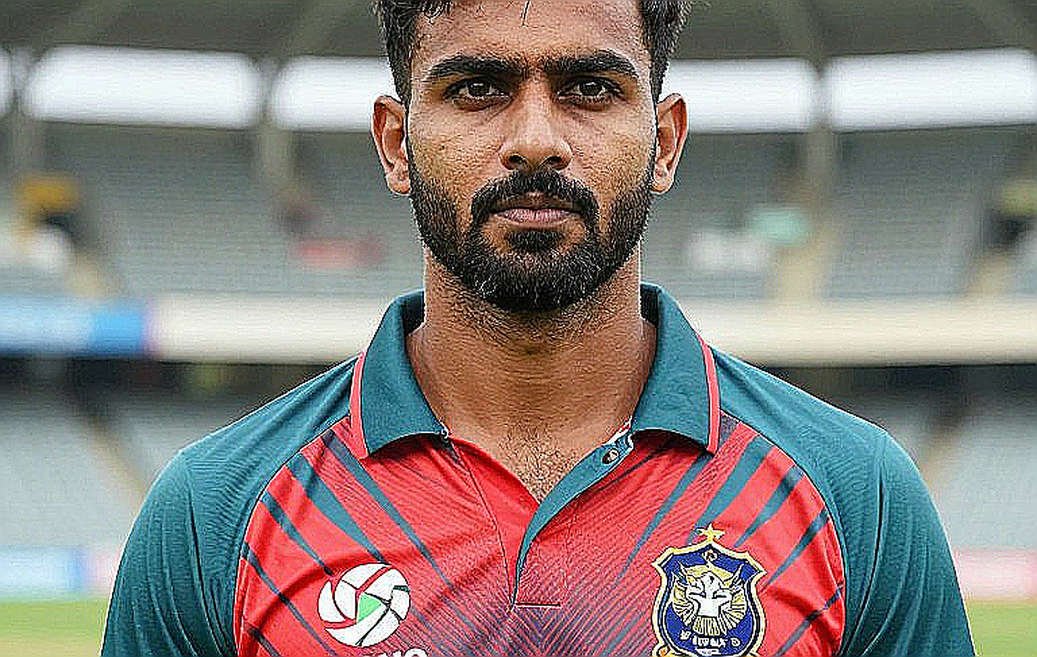
Related Players
Recommended
41/6: The Scoreline Inside Bangladesh U-19's 113-Run Defeat2026-11-06
Durban's 6/49 and the 33–38 Age Clock: What Australia's Pace Quartet Won, and What It Buried2026-10-15
PSL 12: The Two Empty Squares in a 46-Day Grid Say the Most2026-10-24
The Zero-Evidence Report: Why a Null Result in Cricket Analysis Is Integrity, Not Failure2026-10-31
Empty Templates, Full Stadiums: The Price of Truth in Cricket Analysis2026-10-11
Recommended
Empty Report, Silent Breakdown: Question Marks Over Asia's Cricket Data Chain2026-10-09
The Blockchain Tide in Asian Cricket: Fan Tokens, Digital Collectibles and the New Market Beyond the Boundary2026-10-11
Five Matches, Five Years of Files: The Caribbean Captain's Record Chase and the Gaps in the Scouting Dossier2026-10-18
One Day in Mirpur: The Organisational Calculus Behind Ashraful’s Removal2026-10-30
Blockchain News Analysis: Lessons from a Data-Layer Failure2026-10-15